How to Find the Right Private School Near You in South Africa


South African parents searching for primary schools near them want more than proximity. This guide covers the five criteria that matter most, the questions to ask on a tour, and a practical framework for making your final decision.
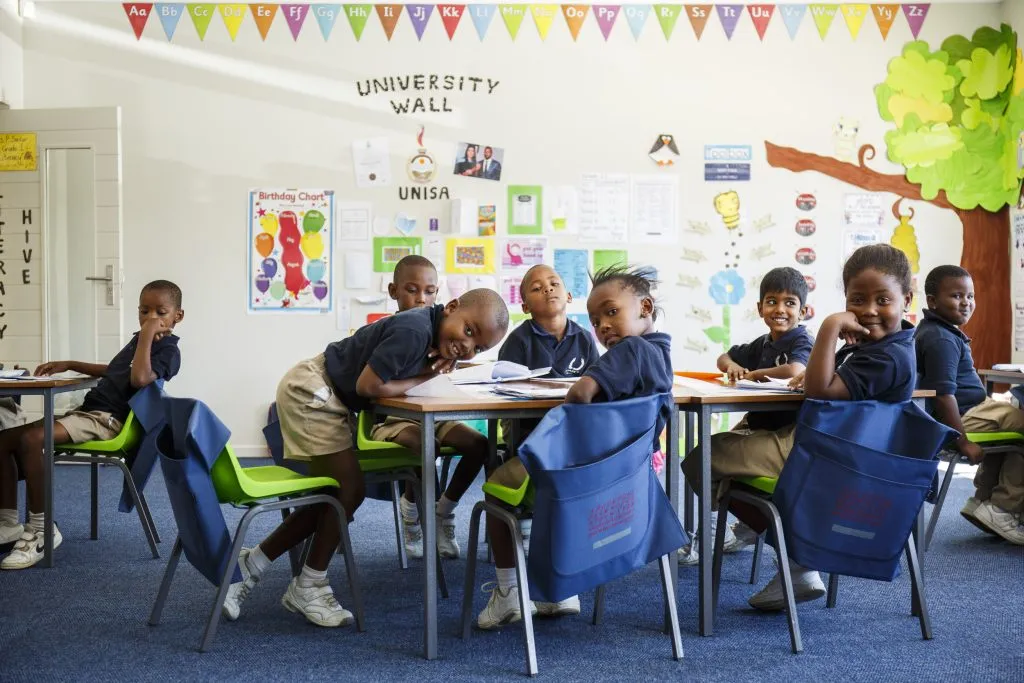
There is a particular urgency to the search for “primary schools near me”. The foundation phase, from Grade R through Grade 7, is where everything begins. The skills and habits formed in these years carry a child through the rest of their schooling. Getting this choice right matters more than many parents initially realise.
Proximity is a reasonable starting point. However, it is rarely the deciding factor for parents who do their research. South African parents choosing primary schools near them are asking a deeper question: which school, within reach, will give my child the foundation they need? This guide helps you answer that with confidence.
South African parents have more choice at primary level than many realise. However, choosing the right primary school that is right for their child is one of the biggest decisions to make. Every school is different; therefore, when thinking of a primary school near you, parents have to think about what is best for their child.
The CAPS curriculum provides a national framework. However, how schools deliver it varies enormously. Look beyond the curriculum label and ask whether the school adapts to individual learning levels, or whether all scholars move at the same pace. Ask what the school does when a scholar falls behind in a core skill. Also ask about class sizes and staffing ratios.
A school with a strong academic foundation will have measurable approaches to literacy and numeracy in the early grades. It will also have scholar support systems for those who are struggling. Specifically, look for a track record of progress that parents can see and interrogate.
Technology in education is no longer a differentiator; it is increasingly a baseline expectation. What matters now is whether a school uses it purposefully. Effective technology integration allows scholars to progress at their own pace. It also gives teachers real-time data on where each scholar needs support.
SPARK Schools uses platforms such as ST Math and Reading Eggs from Grade R. These programmes are adaptive and discovery-based. They complement classroom instruction rather than replacing it. As a result, scholars build genuine mastery rather than passive familiarity.
Academic skills are only part of what a primary school develops. Social and emotional learning, often called SEL, teaches children self-management, empathy, decision-making, and the ability to handle conflict constructively. Research consistently shows that SEL is one of the strongest predictors of long-term success.
When evaluating primary schools near you, ask how the school approaches character development. Additionally, ask what their behaviour management philosophy is and how they support scholars through social challenges. These details are often overlooked, but they shape daily school life profoundly.
School culture is harder to measure than fees or curriculum. Nevertheless, it is often the factor parents cite most when explaining their final decision. Culture is what you feel when you walk onto a campus. Are scholars settled and engaged? Do teachers speak about their work with genuine enthusiasm? Does the environment feel purposeful?
The most reliable way to understand a school's culture is to speak to other parents. Specifically, talk to families whose children already attend. Their day-to-day experience will tell you more than any prospectus can.
School fees rarely represent the complete financial picture. Ask for a full breakdown of all costs when evaluating primary schools near you. This should include tuition, technology levies, stationery, uniform, and extracurricular activities. Compare schools on the total figure, not just the headline tuition fee.
Private schools such as SPARK are designed to be more affordable than most independent schools. They also offer more structure and resources. For many Gauteng families, this combination of quality and accessible fees makes SPARK the most practical option within their radius.
A school tour is your opportunity to see beyond the marketing. Consider asking: How does the school identify when a scholar is struggling, and what intervention does it offer? How much time do scholars spend on devices versus direct instruction each day? How often does the school communicate with parents about academic progress?
It is also worth visiting on a normal school day, not just an open day event. Seeing the campus in ordinary operation gives you the most honest picture of daily school life. What you observe during an unscheduled visit is often very different from what you see during a formal tour.
SPARK Primary Schools offer a seven-year journey from Grade R to Grade 7. The personalised learning model has been refined over more than a decade of operating in South African communities. Scholars enter with varying starting points, and the model is designed to build from where each child is.
In the early grades, the focus is on foundational literacy and numeracy. Every scholar should read with comprehension and work confidently with numbers before moving into the intermediate phase. Platforms such as ST Math and Reading Eggs support this through adaptive, discovery-based practice alongside classroom instruction.
By Grades 4 to 7, scholars take increasing ownership of their learning. The skills built in the foundation years prepare them well for the transition to high school. These include using technology effectively, managing their own progress, and knowing when to seek help.
Once you have shortlisted two or three primary schools near you, the final decision can feel difficult. One practical approach: visit each school a second time, outside of a scheduled open day. Ask to observe a lesson during the normal school day. Seeing a school in ordinary operation gives you the most honest basis for a decision.
The SPARK Schools team is available to support families through this process. Open days, school tours, and direct conversations with the admissions team are all available. Together, these give parents the information needed to make a confident choice for their child.
If you are looking for primary schools near you, SPARK is worth exploring. Visit our Primary Schools page to find your nearest campus and learn more about the programme. You can also apply to enrol your child for 2026/2027 here.