How to Find the Right Private School Near You in South Africa


Student-centred learning puts the scholar, not the syllabus, at the centre of every lesson. Here is what that looks like day-to-day, and why it works.
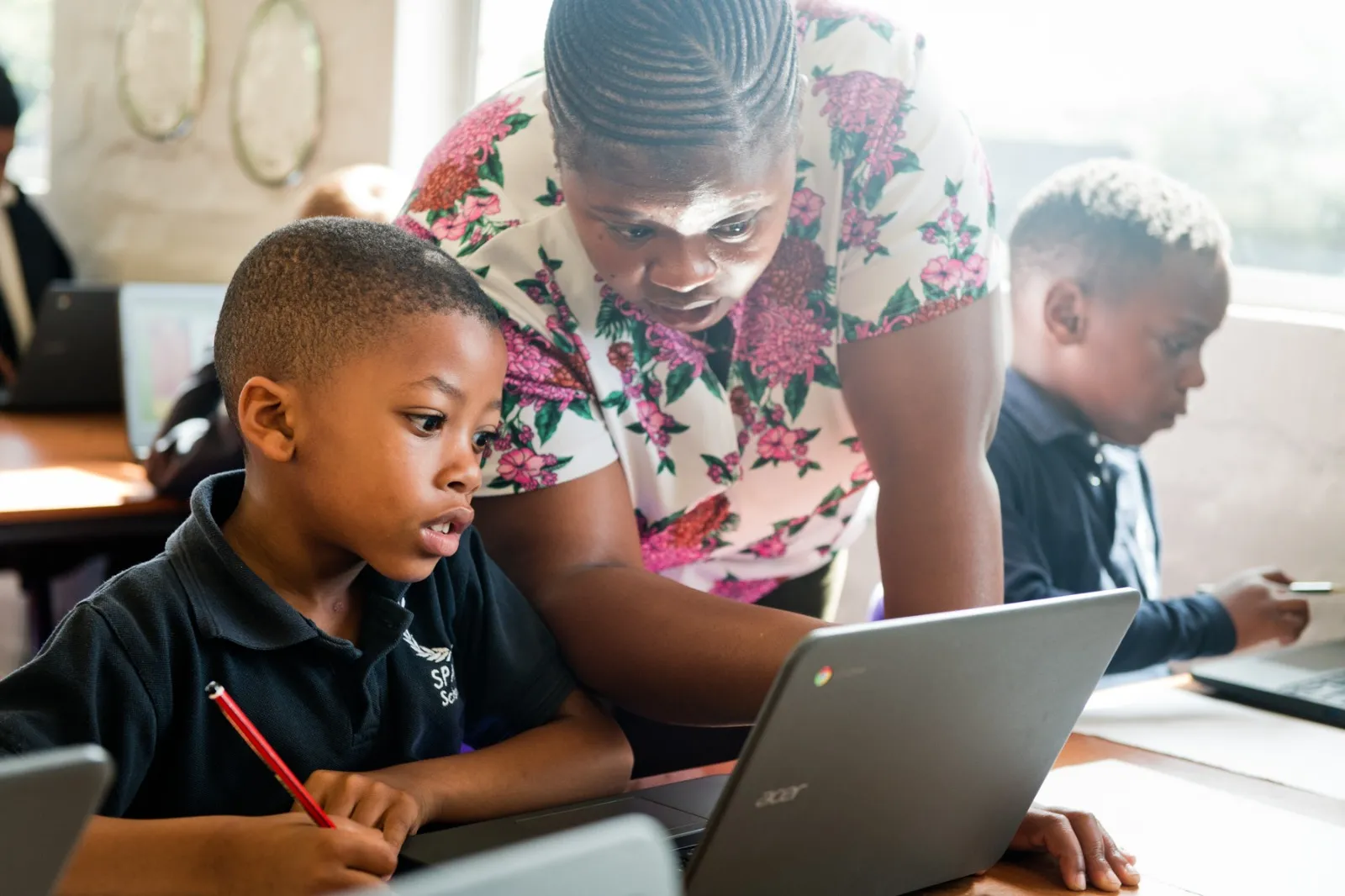
Walk into a traditional classroom, and you will usually find one teacher speaking to thirty scholars in rows. However, walk into a student-centred learning classroom, and the picture looks quite different. Scholars work in small groups, move between stations, and take an active role in how a lesson unfolds. The shift is not cosmetic. Instead, it reflects a different idea about how children learn best.
For parents comparing schools, it helps to understand what student-centred learning genuinely involves. Do not treat it as a buzzword. For instance, once you know what to look for, it becomes far easier to judge whether a school is delivering it, or simply using the term.
At its core, student-centred learning shifts the classroom from teacher-led delivery to scholar-driven engagement. Instead of one lesson pitched at the average learner, teachers design activities that let scholars work at their own pace. Additionally, scholars ask questions actively and take ownership of their progress. As a result, the teacher's role moves from lecturer to facilitator and coach.
This does not mean less structure. If anything, student-centred learning needs more careful planning. Therefore, teachers must prepare several paths through the same content, not just one script. SPARK Schools builds this into its personalised blended learning model. Specifically, direct instruction, small-group work, and independent practice are deliberately sequenced within each lesson.
Student-centred learning looks different depending on a scholar's age. For example, in the foundation phase, it might mean rotating through hands-on stations that reinforce one concept in different ways. Meanwhile, by high school, it increasingly means project-based work and discussion-led lessons. In this phase, scholars take responsibility for tracking their own progress against clear goals, as reflected in SPARK's Innovation Hub approach for Grades 8 to 12.
The evidence for this approach is well established internationally. For instance, UNESCO's work on quality learning consistently points to learner engagement as a key driver of better outcomes. This matters most in systems where large class sizes make individual attention difficult by default. Student-centred learning is one of the most direct ways to address that challenge, without simply hiring more staff.
Moreover, scholars who experience student-centred learning tend to build stronger self-management skills earlier. The model expects them to take some responsibility for their own pace, rather than passively receiving information.
Student-centred learning also creates far more space for social-emotional growth than a lecture-based classroom. Group work, peer discussion, and shared problem-solving are not add-ons. Instead, they are structurally part of the model. SPARK Schools integrates this directly through its Social Emotional Learning curriculum, which runs alongside academics rather than as a separate weekly extra.
Parents who see student-centred learning as a priority should ask specific questions. Do not simply accept the label. First, how much of a typical lesson is teacher-led versus scholar-driven? Second, how are scholars grouped, and how often does that grouping change? Third, what role does technology play? Does it support the teacher, or replace them? Finally, how does the school measure whether the approach is actually working?
A school genuinely committed to student-centred learning will answer these questions with specifics, not general reassurance.
One frequent misunderstanding is that student-centred learning means less rigour. Some assume scholars are simply left to explore without direction. In a well-run model, the opposite is true. Teachers plan more intentionally, using continuous data to adjust grouping and pace. Academic standards remain high throughout. For example, curriculum benchmarks such as SPARK's use of Scholastic PRIME mathematics, aligned to Singapore, Korean, and Hong Kong standards, sit comfortably alongside a student-centred delivery model.
Most scholars benefit from at least some elements of student-centred learning, though the right balance varies by child. A naturally independent learner may thrive with more autonomy quickly. Meanwhile, another child may need a more gradual introduction with closer teacher guidance. The strongest schools adapt the balance to the individual, rather than applying one fixed formula to every scholar.
If you would like to see student-centred learning in action, SPARK Schools welcomes visits to any of its 26 campuses. This includes its high schools, which offer the Class Rotation and Innovation Hub model for Grades 8 to 12. You can apply today to begin securing your child's place for the next intake.