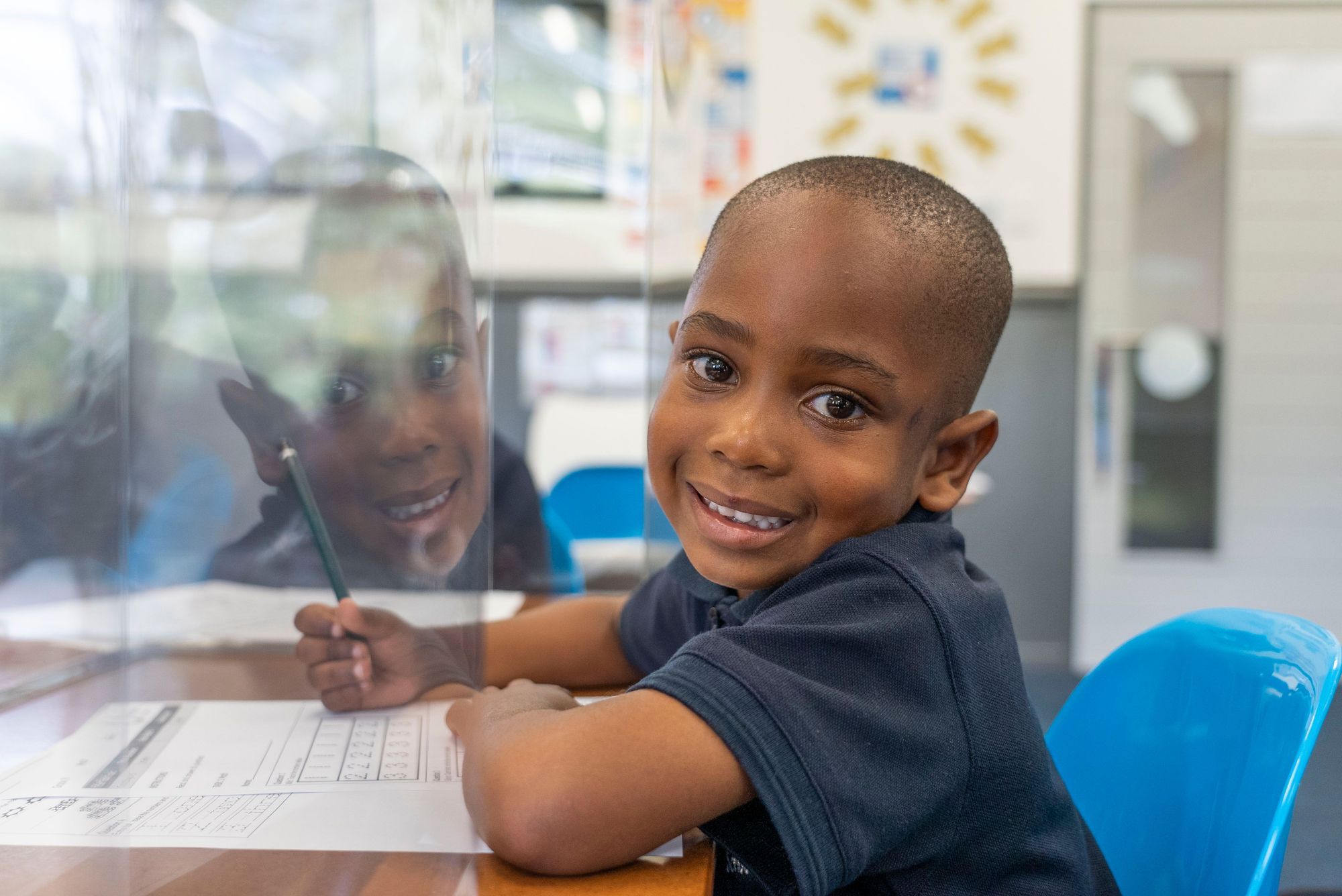
How to Find the Right Private School Near You in South Africa


Every year on 8 September, the world marks International Literacy Day, a reminder that the ability to read and write remains one of the most powerful tools for human progress.
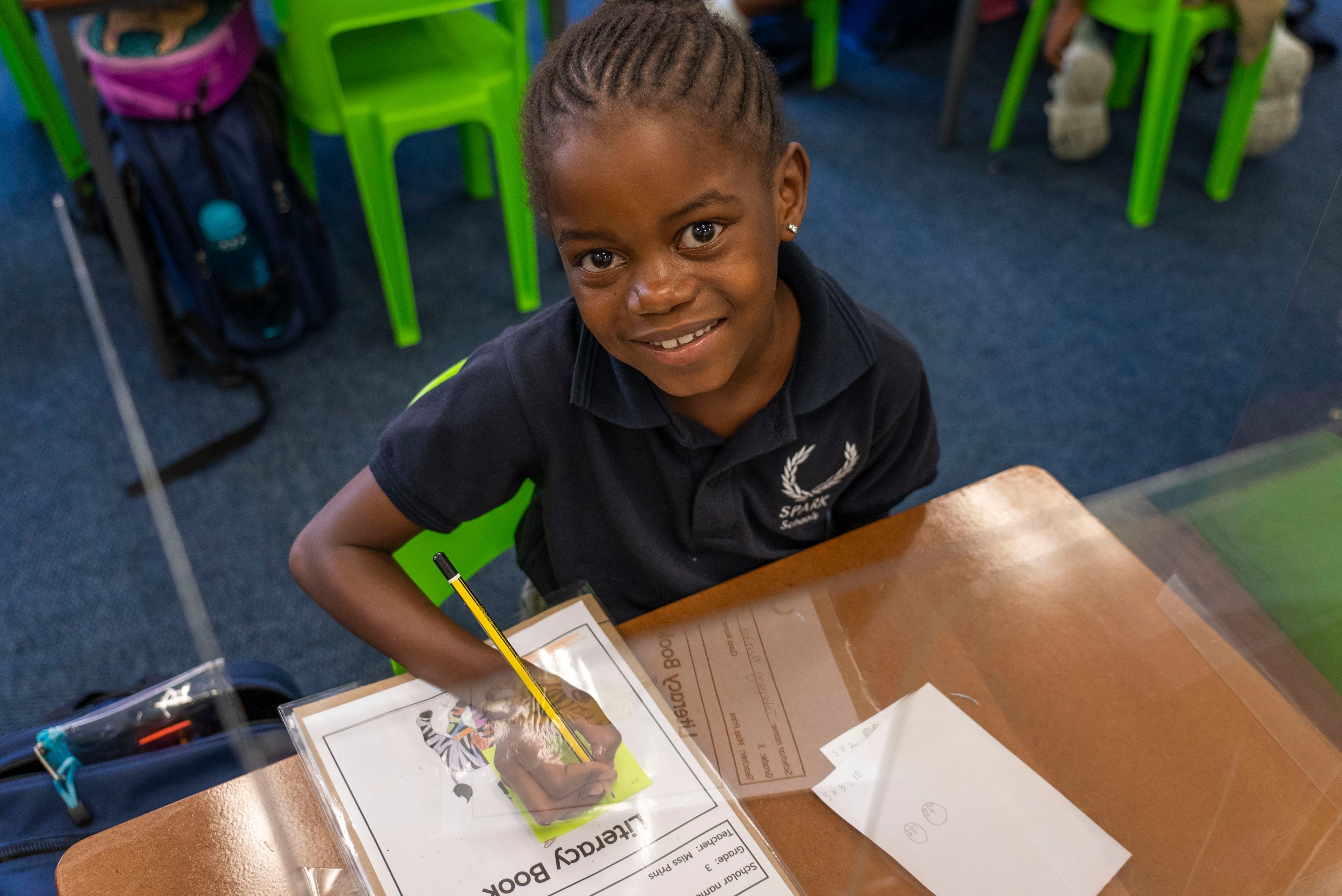
This year’s theme, Promoting Literacy in the Digital Era, speaks directly to the South African paradox: our children are born into a world of smartphones, tablets and online platforms, yet many cannot meaningfully access this world because they cannot read. And the scale of the crisis is staggering. In 2021, 81% of South African Grade 4 scholars could not read for meaning.
Literacy, defined by UNESCO as ‘the ability to acquire and improve literacy and numeracy skills, now more than ever in a rapidly digitalising world’, is an intrinsic part of everyone’s right to education. Moreover, it is the gateway to all further learning. A scholar who is unable to read in Grade 4 will inevitably struggle with all subjects going forward, resulting in a predictable spiral: poor reading skills lead to poor academic performance, which chips away at self-confidence and raises anxiety levels, and these children eventually drop out of school altogether.
The dropout rate tells its own story. In 2024, only six in 10 South African scholars who entered Grade 1 in 2012, completed Matric. The rest left the system prematurely, cut off from opportunities for tertiary education and formal employment. Dropping out narrows life chances, perpetuates inequality, and fuels the intergenerational cycle of poverty.
The digital era was meant to change all this. But without the ability to read fluently and critically, scholars cannot navigate an online classroom or evaluate information, irrespective of its source. Access to a tablet or free Wi-Fi means little if the user cannot decode the words on the screen. Thus, it is fair to say that literacy means empowerment. Reading opens doors to economic and societal participation. In our 21st-century workplace, literacy underpins work-ready skills and, beyond employment, it enables citizens to engage critically with media, understand their rights, and contribute to their communities.
So, what needs to change? The first step is to treat reading as the non-negotiable cornerstone of education. Foundational literacy must be mastered in the first four years of schooling because if scholars fall behind at this stage, catching up becomes exponentially more difficult. Effective teaching strategies, targeted interventions, and mother-tongue instruction in the early years all play a crucial role.
Technology can and should also play a role, but not as a substitute for teaching. Blended learning models that combine traditional classroom instruction with online learning can help track each scholar’s reading development journey, enabling teachers to monitor progress more effectively. Drawing on data insights provided by digital tools makes it possible to intervene early when a child is struggling, and personalise their learning pathways