Private schools in Centurion: Quality education that fits your budget


At SPARK, we believe that the foundation of a child’s learning journey is built in Grade R, where curiosity, confidence and creativity begin to take shape. Research consistently shows that the ages of 4–6 are a critical window for learning and development.
The Science of Play: Why Grade R Matters So Much
At SPARK, we believe that the foundation of a child’s learning journey is built in Grade R, where curiosity, confidence and creativity begin to take shape. Research consistently shows that the ages of 4–6 are a critical window for learning and development. During this stage, a child’s brain is rapidly growing, laying down the pathways that support language, problem-solving, memory and emotional regulation. What happens now will echo into their later schooling years.
Why are ages 4–6 an integral part of a child's development?
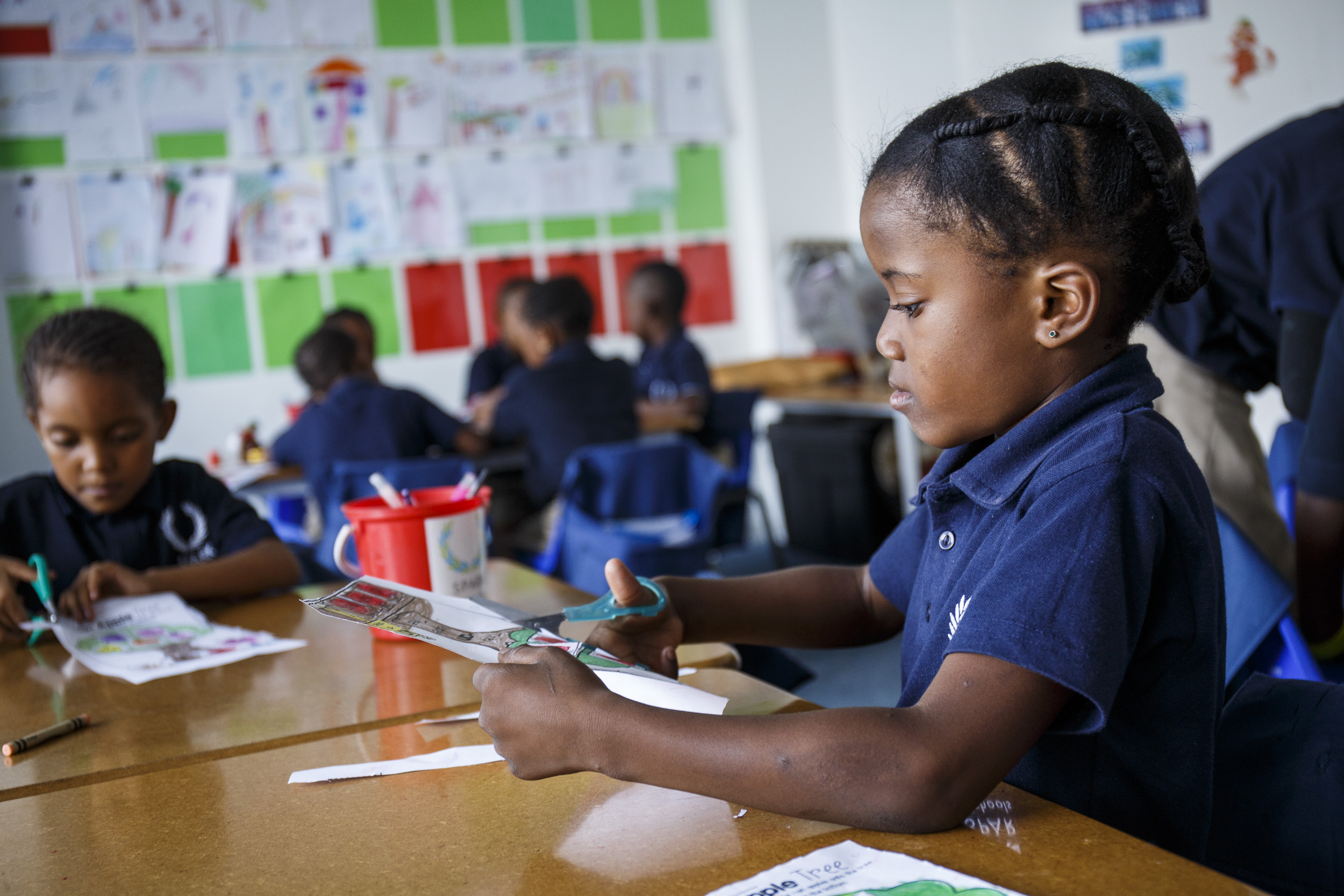
Between the ages of 4 and 6, a child’s brain is at its most flexible and adaptive, making this a critical window for learning. Our policy recognises that during this period, children are building the mental “scaffolding” for literacy, numeracy, and social-emotional growth. That’s why SPARK Schools ensures that Grade R is not rushed into formal learning, but instead offers play-based experiences aligned to clear learning goals.
Experts often remind us that “play is the work of childhood” and with good reason. Through play, children aren’t just having fun; they’re experimenting, negotiating, asking questions, and solving problems. “ When a child builds a tower of blocks and watches it tumble, they’re learning cause and effect. When they role-play being a shopkeeper or doctor, they’re developing imagination, empathy and early numeracy and literacy skills, says SPARK Theresa Park Assistant Principal Priya Sooful.
At SPARK, our play-based approach is purposeful. It helps children practise our SPARK core values and build:
● Confidence: by trying new things and discovering they can learn from mistakes. We also believe in the power of Positive Narration, as it highlights and reinforces positive behaviours while creating a safe, encouraging environment. Scholars are never made to fear mistakes; instead, mistakes are treated as valuable learning opportunities within a supportive space.
● Social skills: by sharing, collaborating, and resolving conflicts.
● Resilience: by navigating challenges and persisting until they succeed.
Grade R also serves as the bridge into formal schooling. Through play, children begin to grasp the building blocks of literacy (recognising sounds, enjoying stories) and numeracy (counting objects, sorting shapes, comparing sizes). Perhaps most importantly, play nurtures a sense of lifelong curiosity—teaching children that learning is exciting, not intimidating.
It’s important to note that structured play is different from “just free time.” In structured play, activities are thoughtfully designed by teachers to target specific developmental skills, such as memory games for cognitive growth or outdoor obstacle courses to develop gross motor skills. This ensures that every moment of play has purpose.
When I was a teacher, structured play in my classes consisted of games like:
● Simon Says with movement – e.g. “Simon says hop on one foot” or “stretch to the ceiling.” This builds coordination, listening skills and balance.
● Movement dice – teachers roll a giant dice with actions like jump, stomp, spin, crawl. Scholars practise following instructions while strengthening different muscle groups.
● Action songs – classics like “Head, Shoulders, Knees and Toes” with added movements support rhythm, flexibility and endurance.
At home, parents can encourage structured play through:
● Treasure hunts that involve running, climbing, and crawling—boosting agility and problem-solving.
● Dance sessions with simple routines that develop rhythm, balance and spatial awareness.
These structured activities are not just fun—they are deliberately designed to build gross motor skills, which are essential for school readiness. Strong gross motor skills help children with everyday classroom tasks like sitting upright at a desk, writing comfortably and participating confidently in physical education. At SPARK, we view this as part of preparing the whole child for long-term success.
Parents play a powerful role too. At home, you can support play-based learning by:
● Reading to your child daily and asking them questions about the story. SPARK Resource available: Reading Strategies. This resource can aid parents with asking open-ended questions that encourage critical thinking and reading comprehension beyond surface-level reading.
● Encouraging imaginative play, like setting up a pretend shop.
● Playing simple board or card games to build turn-taking and problem-solving skills.
● Giving children time outdoors to explore nature, climb and run—building both body and mind.
What may look like “just play” is actually serious learning in disguise. In the South African context, where we are preparing children not just for school, but for a future that demands creativity, resilience and collaboration, Grade R and play-based learning are not luxuries; they are necessities.
At SPARK, we are intentional about ensuring that every game, story and song in Grade R lays the groundwork for academic success and joyful learning in the years ahead.