Private schools in Centurion: Quality education that fits your budget


When 7-year-old SPARK Witpoortjie scholar Tlotlo Tsheka began writing her books, she was doing what many children love to do: imagining stories, creating characters, and sharing ideas.
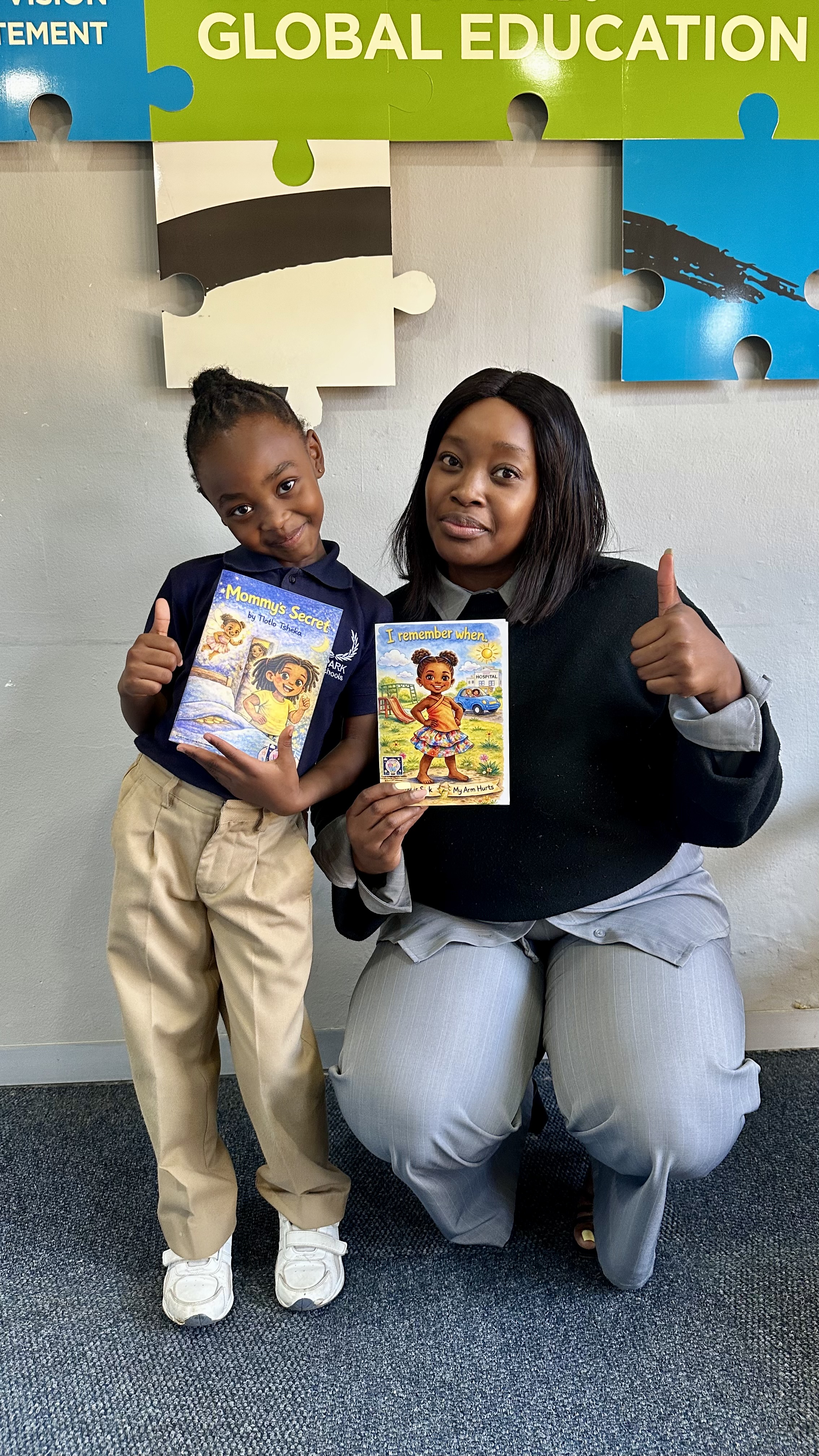
When 7-year-old SPARK Witpoortjie scholar Tlotlo Tsheka began writing her books, she was doing what many children love to do: imagining stories, creating characters, and sharing ideas.
Tlotlo says that she wrote her books, I remember when… and Mommy’s Secret, with the aim of inspiring other children to enjoy storytelling and imagination. “My books are about things that happen in real life and stories that make people feel happy,” she says. “I get my ideas from my life, my family, and the things I imagine.”
But, writing and publishing two books at such a young age requires more than creativity. It signals strong foundational literacy skills, including comprehension, structured thinking, vocabulary, and confidence.
SPARK Witpoortjie Principal Khanyisile Zwane says the school is incredibly proud of Tlotlo’s achievement: “There is nothing more fulfilling than seeing a scholar take their learning beyond the classroom and turn it into something impactful.”
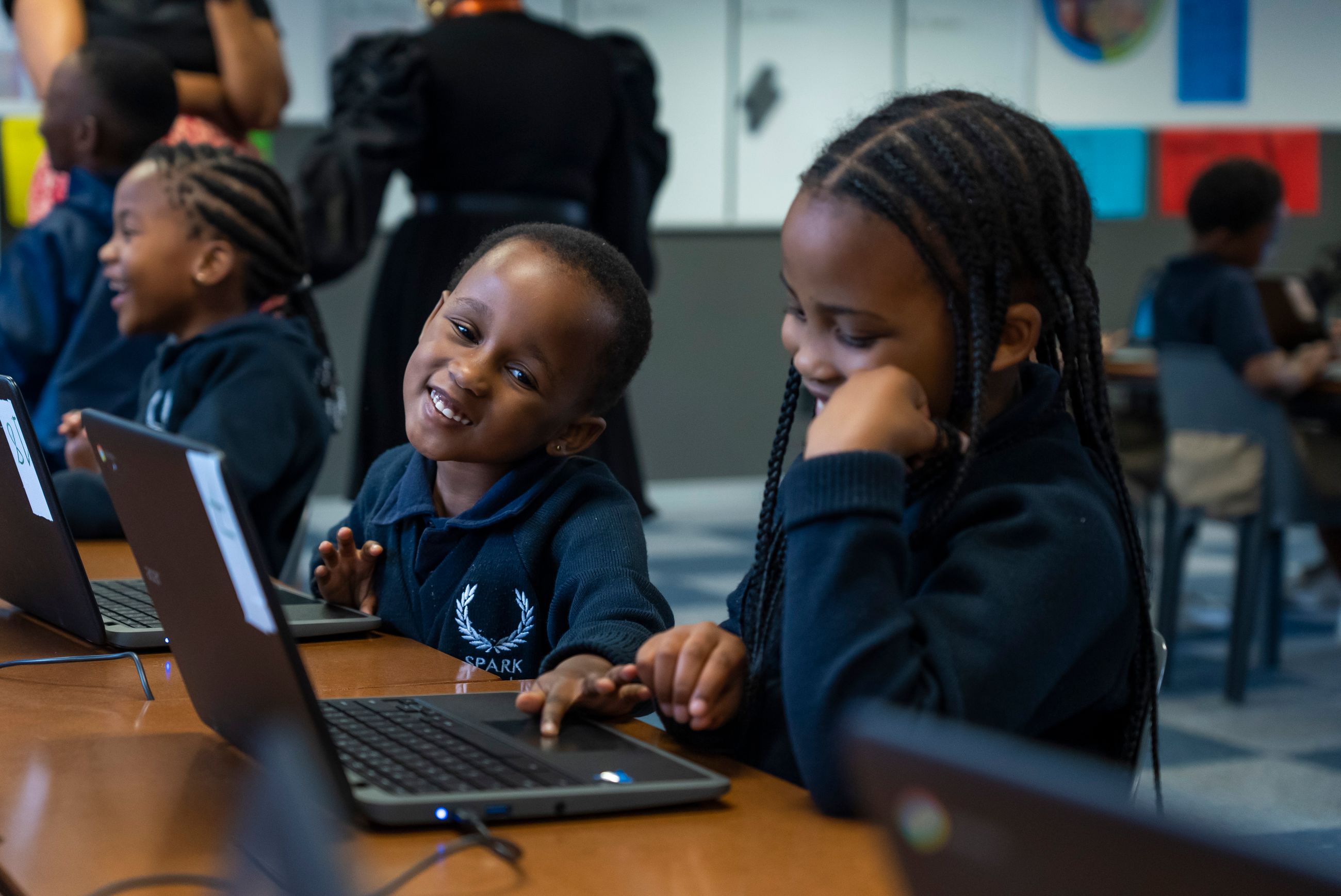
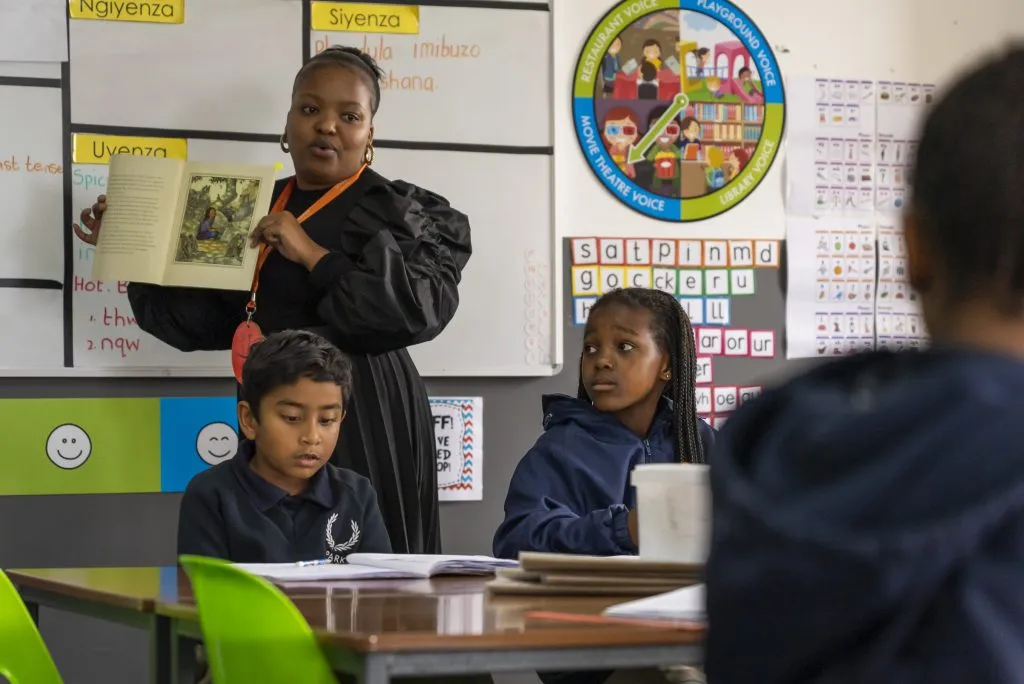
At SPARK Schools, literacy is treated as a foundational life skill. Scholars engage in structured reading and writing activities designed to strengthen comprehension, build vocabulary, and encourage critical thinking.
“Our approach draws from curriculum that deepens understanding and strengthens reading and writing skills,” Zwane explains. “Through structured lessons, consistent practice, and targeted support, our scholars develop both competence and confidence.”
Tlotlo’s love for storytelling began long before her books were published. According to her mother, Thatohatsi Tsheka, Tlotlo has always had a natural way of expressing herself. “From a very young age, Tlotlo enjoyed telling stories about her day and creating imaginative characters,” Thatohatsi explains. “What stood out was how much joy she found in storytelling.”
Rather than directing her daughter’s creativity, Thatohatsi created space for her. “When it became clear that she was serious about her stories, my role became one of support rather than direction.”
This approach stems from literacy being part of everyday life in the Tsheka household. “We read together, talk about stories, and treat writing as a form of expression rather than a task,” says Thatohatsi. “This helps make learning feel enjoyable and meaningful. More than success, I want Tlotlo to grow with confidence, curiosity, and courage.”
It is not only her age that makes Tlotlo’s achievement stand out; it is also the national literacy landscape in which she achieved this milestone.
South Africa continues to face significant literacy challenges. According to the 2030 Reading Panel’s latest report, 15% of Grade 3 learners are unable to read a single word by the end of their third year of schooling. Only 30% of Grade 1-3 learners are reading at grade level in their home language and, by Grade 4, 81% of learners cannot read for meaning in any language.
For Tlotlo, writing her books was a process she enjoyed building step by step. Her vision is simple but ambitious. “My dream is to write more books and for lots of children to read them.”
Her message to other children is clear and encouraging. “Just start writing and don’t be scared. Your story is important.”